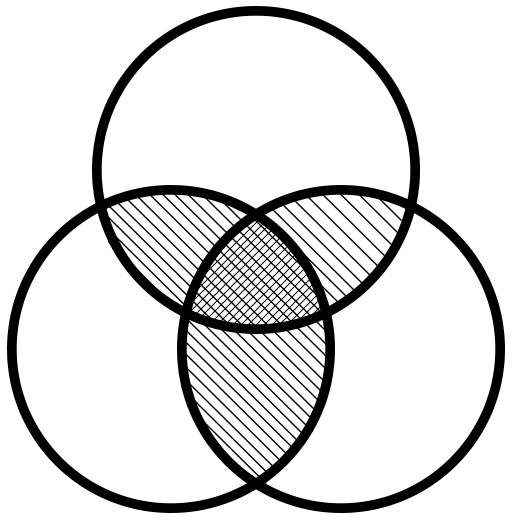
So often in the world we encounter problems that are framed in an “Us vs. Them” mindset. In other words, for one group to prosper, the other must suffer.
This kind of framing is short-sighted and it forces us to take sides and stay stuck in our way of looking at a problem. Design thinking offers a much needed antidote. By hearing and understanding the needs of all groups, we can craft non-zero sum win-win solutions.
When approaching any problem, it's tempting to jump right into the solution, the implementation, the visual design, and the polish. However, you risk missing the forest for the trees. When a problem or issue is identified, the instinct is to assume that the client giving you their problem has identified the correct issue.
Errors or issues usually occur because of a long line of corroborating events that led to the failure, like a fly going through the holes in slices of swiss cheese. What they're giving you is often just a signal or a thread that needs to be pulled to untangle the issue. The first half of the double diamond methodology is simply defining the real problem.
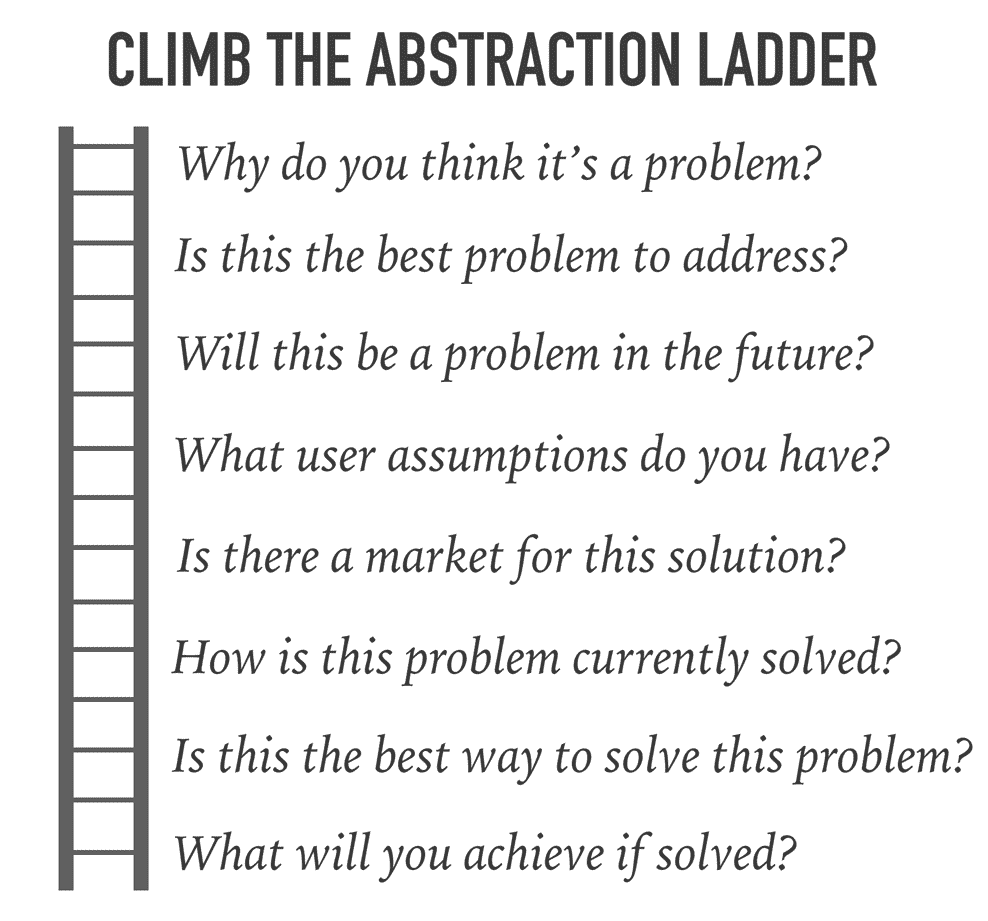
When doing research, it is not enough to identify human error and stop searching. As designers, we are tasked with always digging deeper, asking “Why?” like an annoying kid, and continually searching for the root cause.
Behind every seemingly simple answer, there's always another perspective, nuance, or angle to be uncovered. While you can't eliminate your assumptions, you can start testing and unpacking each one. In the end, it is conceptual, big-picture UX thinking that casts the widest net to find the best solution so that precious resources aren't squandered.
Philosophy
- You are not your user.
- Focus on core user needs.
- User test early and often.
- Always ask "Why?" and dig deeper.
- Iterate, get feedback, user test, repeat.
- Start with a great experience and find tech that enables it, not the other way around.
- Don't repeat yourself. (DRY)
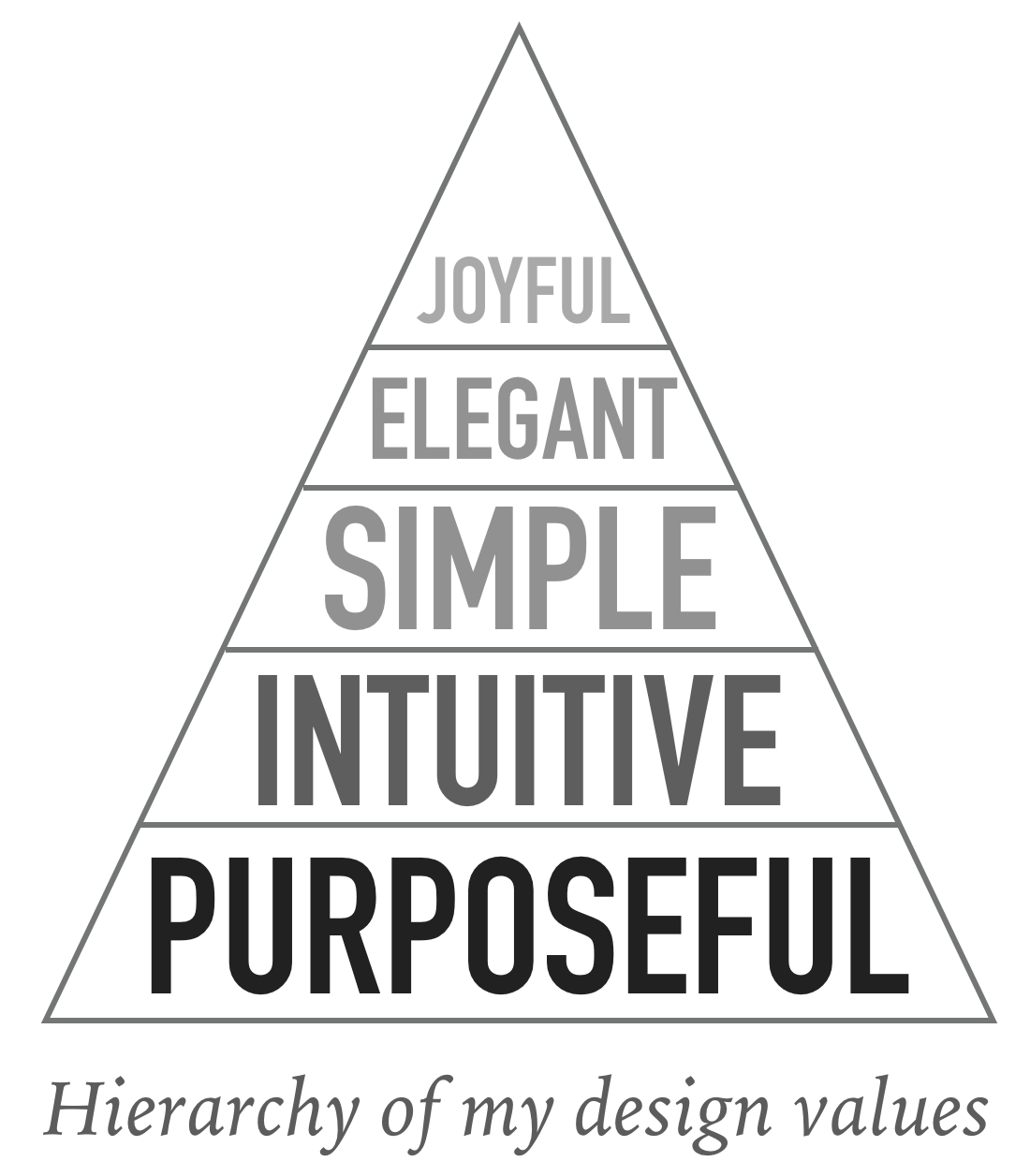
- Reduce, eliminate, and simplify whenever possible.
- Do more with less (Occam's razor).
- Keep it simple, stupid. (KISS)
- Keep calm, and iterate on.
Recommended Reading











